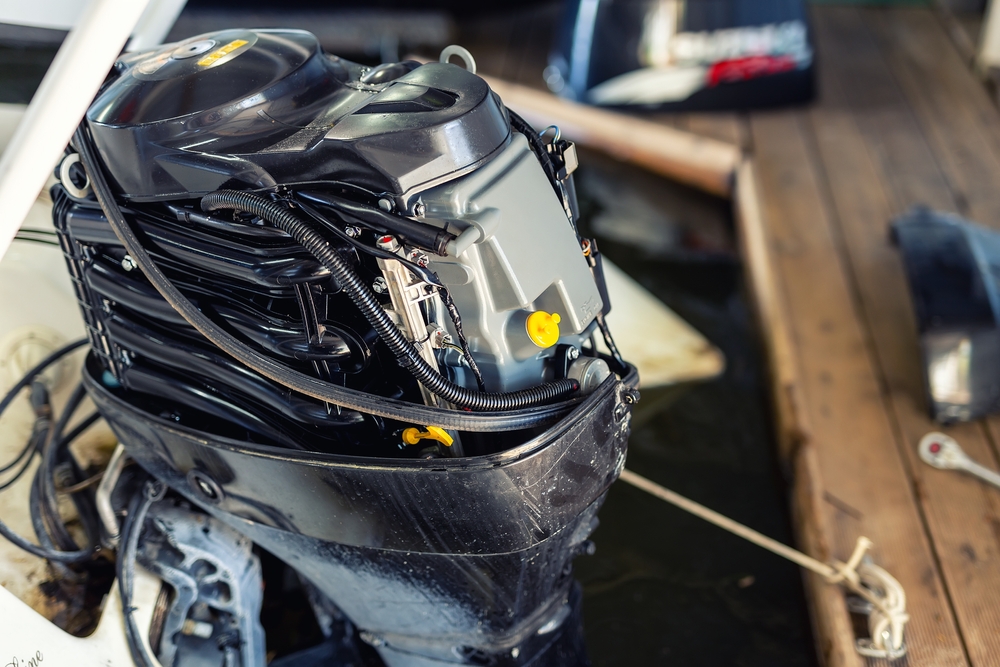
This guide breaks down the practical, technical boat and yacht maintenance tips that actually prevent failures on the water. Proper maintenance practices keep your boat reliable and performing the way it should.
Outboard Engine Maintenance Tips
Most boaters know that outboards need a 100 hour or annual service (whichever comes first). But there are lesser known items that are often skipped during a 100 hour service that have a major impact on reliability and long-term engine health.
1. Thermostats, Poppet Valves & VST Filters Need Regular Attention
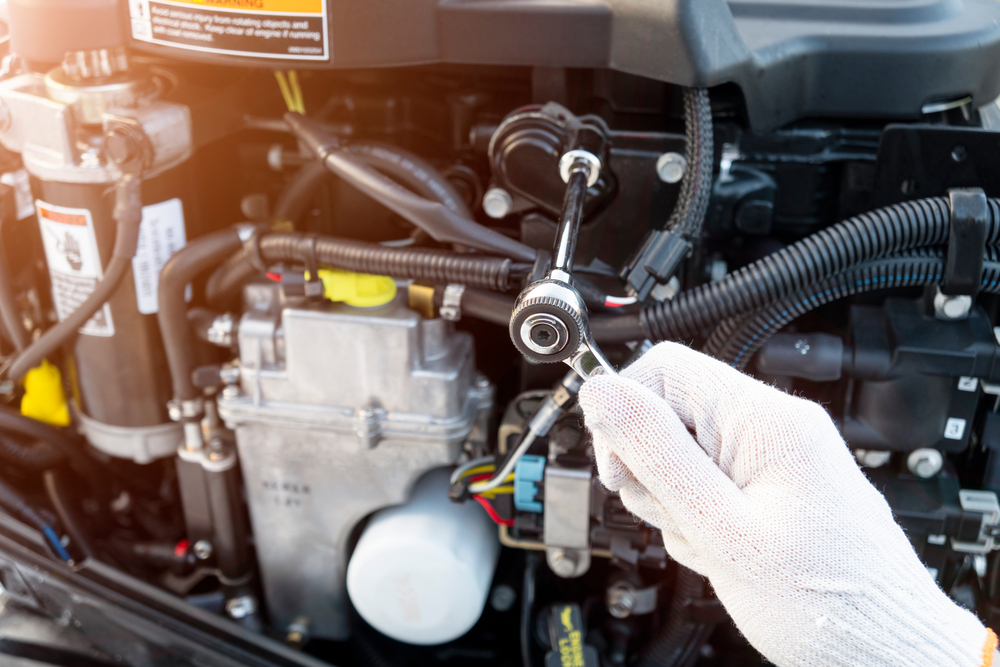
Thermostats and poppet valves regulate cooling pressure and temperature inside your engine. Many owners go years without inspecting or replacing them—leading to overheating, rough idle, poor performance, or internal corrosion. In saltwater environments, these components should be inspected annually and replaced every 2–3 years.
Another crucial but often overlooked component is the VST (Vapor Separator Tank) filter, found on outboard engines. When the VST becomes contaminated with varnish, debris, or water-logged fuel, the engine may stumble, lose RPMs, or fail to start. Cleaning or replacing the VST filter every 200–300 hours protects your injectors and high-pressure pumps from costly failure.
Note: VST systems apply to gasoline outboards, not diesel inboards.
2. Fuel System Care Matters Even With “Good” Fuel
I assume we all know to avoid using ethanol fuel with your boat. You want to use ethanol-free gasoline for outboard engines on boats, BUT, even non-ethanol marina fuel can be unreliable. Marina tanks sometimes contain condensation, sediment, or older fuel pulled from the bottom of the tank. Don’t trust that the marina is going to have good fuel.
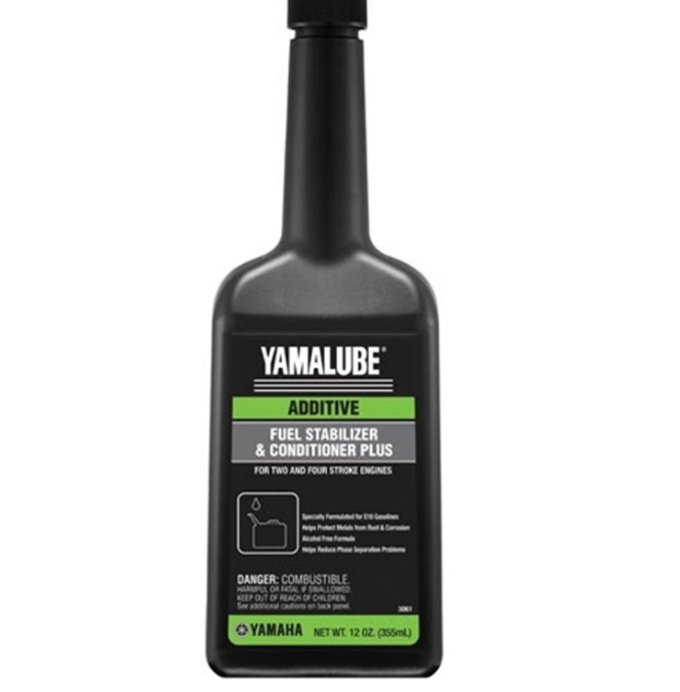
Because of this, you should use a marine-grade fuel stabilizer with every fill-up, no matter where the fuel comes from – such as Yamaha Fuel Stabilizer & Conditioner Plus
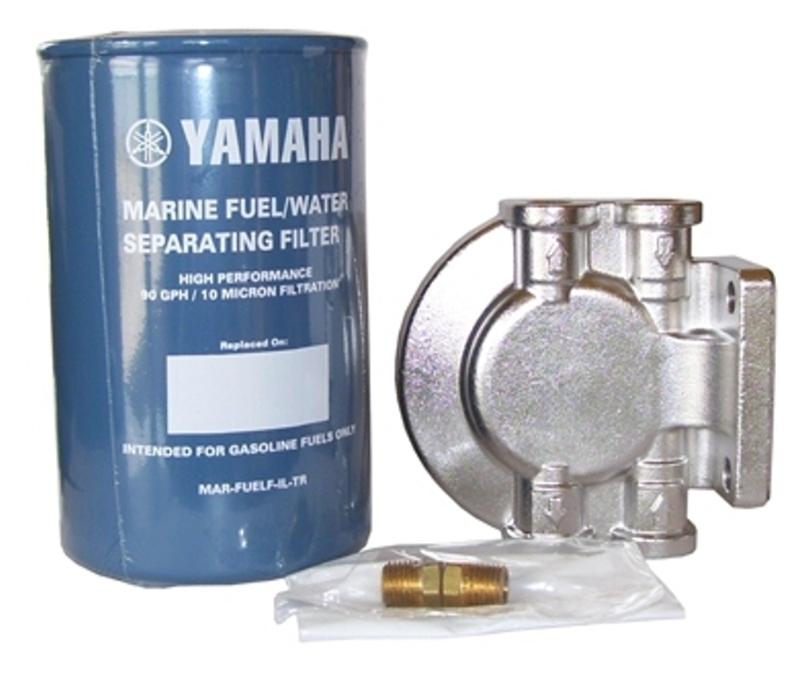
For additional protection, change your water separator every 50 hours. It’s inexpensive maintenance that prevents extremely expensive repairs.
3. Battery Health Affects Engine Performance More Than You Think
Modern outboards rely on perfectly stable voltage to run their sensors, ignition timing, injectors, and fly-by-wire controls. Weak batteries or corroded terminals can cause:
Rough idle
Hard starting
Fault codes
Loss of power
Random stalling or surging
Batteries should be load-tested annually and replaced every 2–3 years in hot, humid climates. Be sure your battery compartment stays dry, ventilated, and corrosion-free, and clean the terminals regularly to protect against salt intrusion.
4. Longer Flush Times Matter – Plus Use a Periodic Salt-Flush Treatment
Most boaters flush their engines for 2–3 minutes, but salt crystals don’t dissolve that quickly. Proper flushing requires:
10–15 minutes on muffs OR 7–10 minutes using a built-in flush port
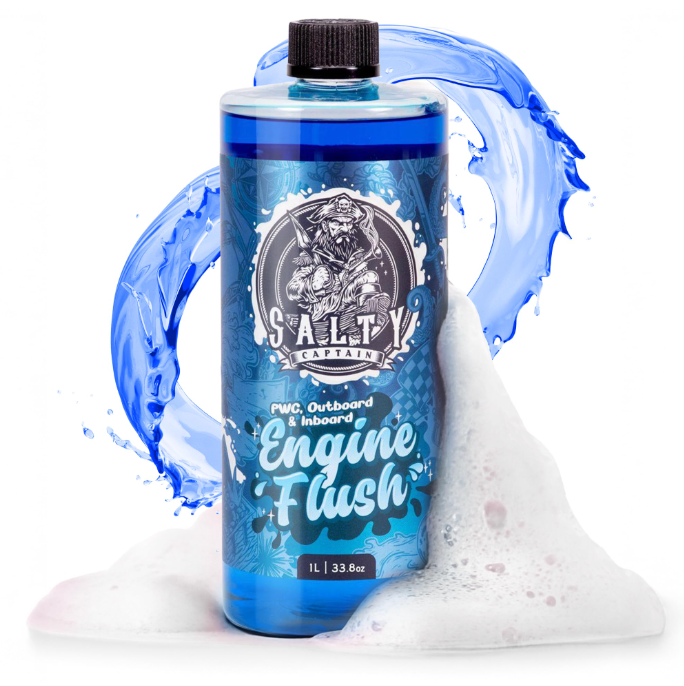
For best results, use a salt-removing engine flush solution every 2–3 months. These solutions dissolve internal salt buildup that plain water can’t remove, extending the life of your thermostats, impellers, poppet valves, and internal cooling passages.
Monthly vs. Quarterly Boat and Yacht Maintenance Checklists
Every vessel benefits from a predictable maintenance rhythm. Monthly tasks typically include:
Exterior washdown
Zinc/anode inspection
Bilge and pump checks
Fluid level inspections
Visible hull and hardware checks
Quarterly maintenance goes a step deeper, including waxing, detailed electrical testing, system inspections, and mid-year engine checks.
We’ve created comprehensive Monthly & Quarterly Yacht Maintenance Checklists. If you’d like a copy, feel free to reach out—we’ll send them directly.
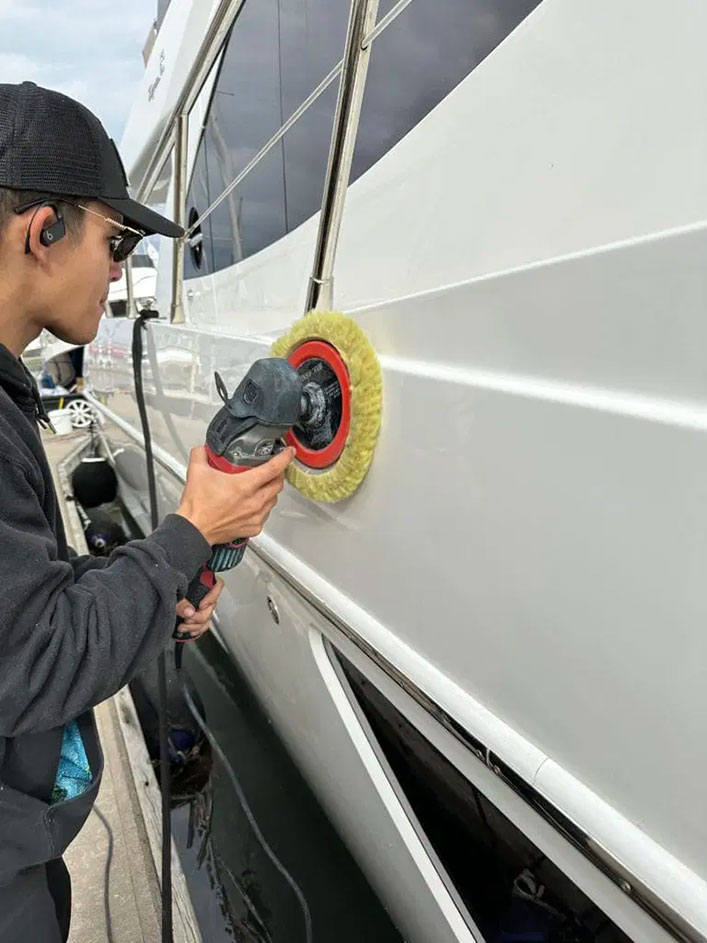
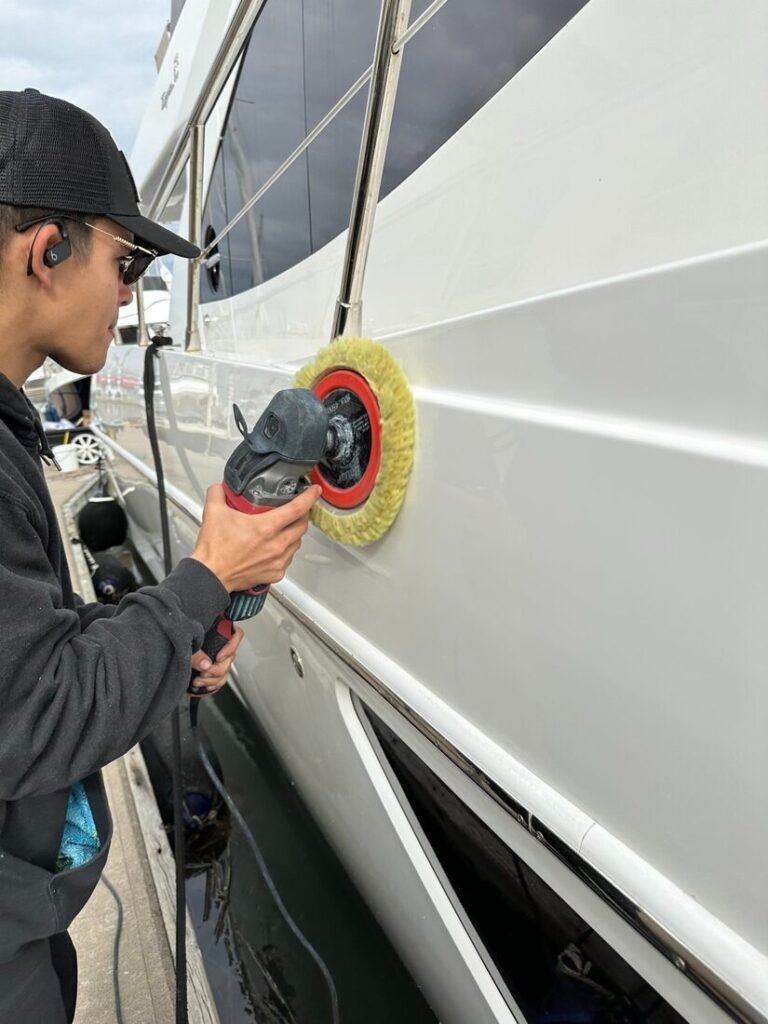
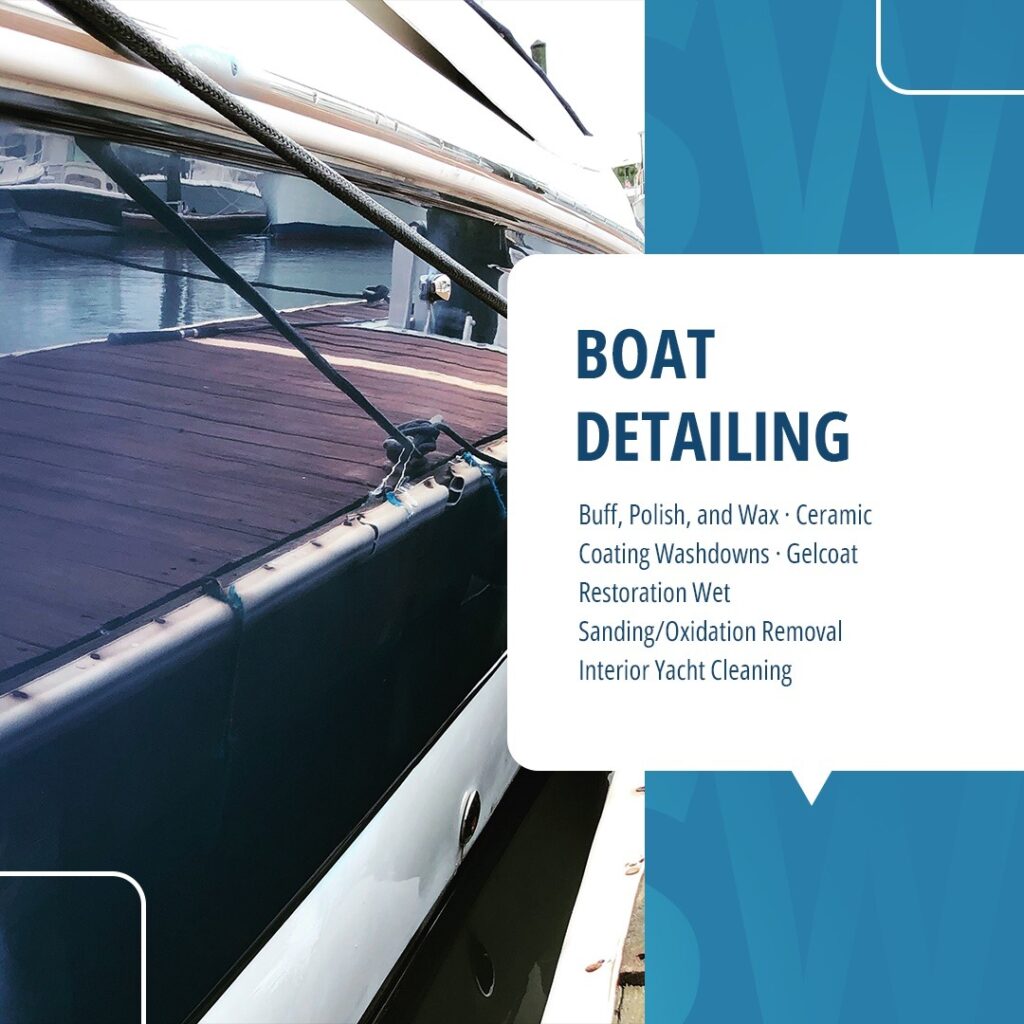
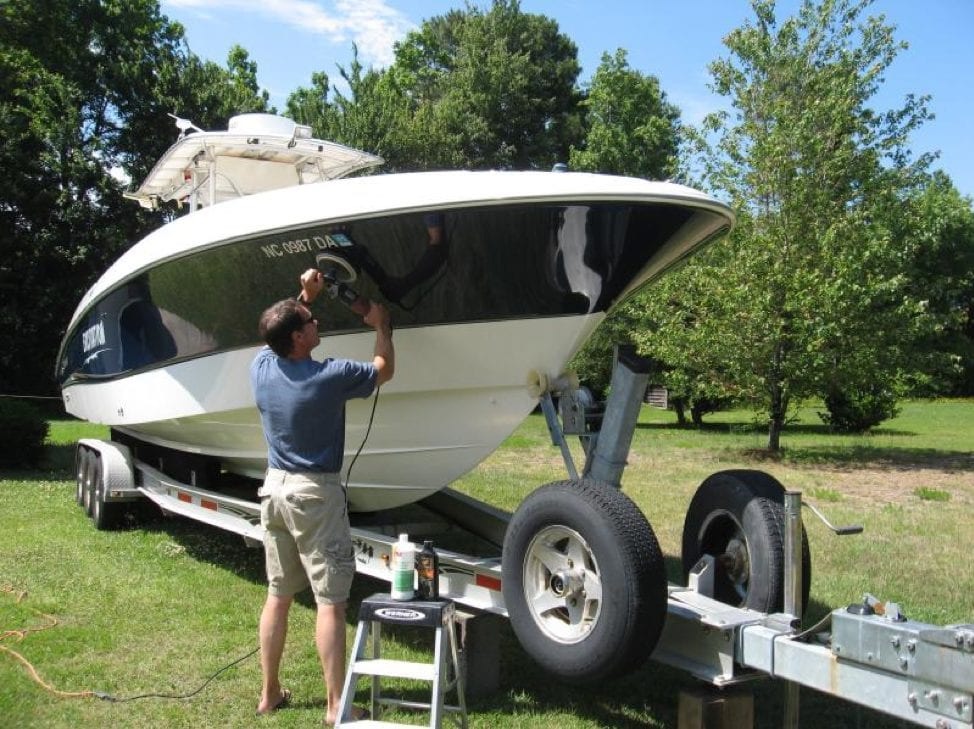
Detailing is more than cosmetic—it’s one of the most important forms of routine preventative maintenance. The combination of sun, salt, and sediment here in the Southeast rapidly breaks down gelcoat and marine paint.
Here’s the ideal schedule for long-term hull protection:
If you enjoy washing and maintaining your own boat → Wax is the better value.
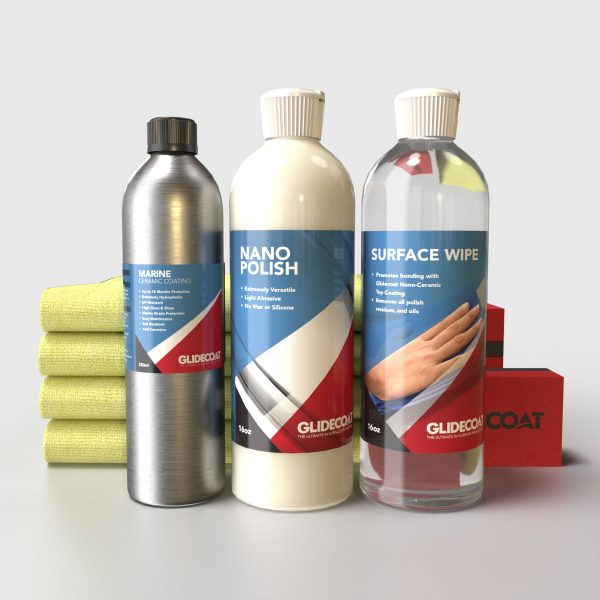
If you want the easiest long-term maintenance and want a yacht management company to handle all detailing → Ceramic coating is the premium choice.
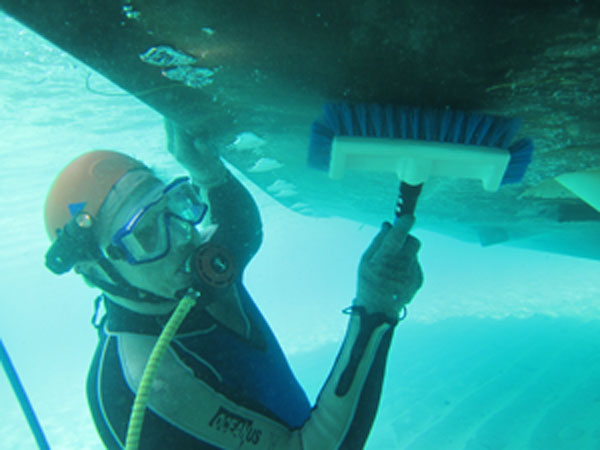
How Often Should You Have a Diver Clean Your Hull?
Hull cleaning frequency depends heavily on location, water type, and seasonal temperature.
Charleston (Ashley River, Cooper River, Wando, Intracoastal)
These waterways have warm, nutrient-rich water with heavy sediment. Marine growth is aggressive.
Monthly hull cleaning is standard
Bi-weekly cleaning in summer when growth accelerates
South Florida (Miami, Fort Lauderdale, Palm Beach)
Growth is more moderate but varies by marina or waterway.
Monthly cleaning is ideal
Some areas allow every 6–8 weeks
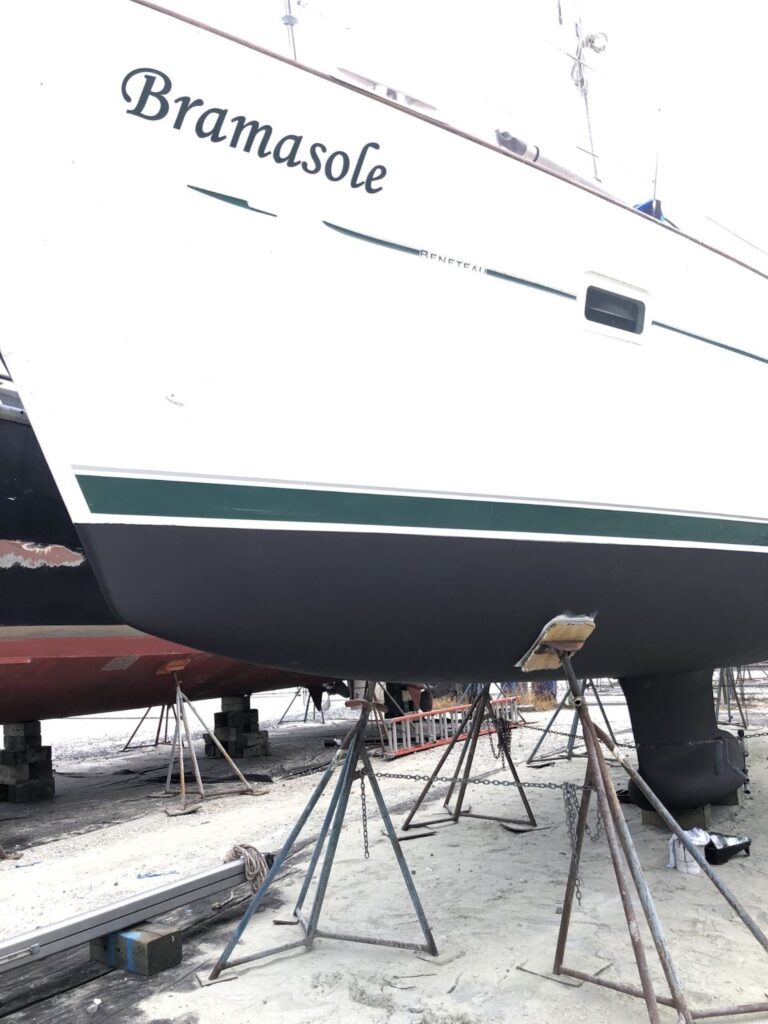
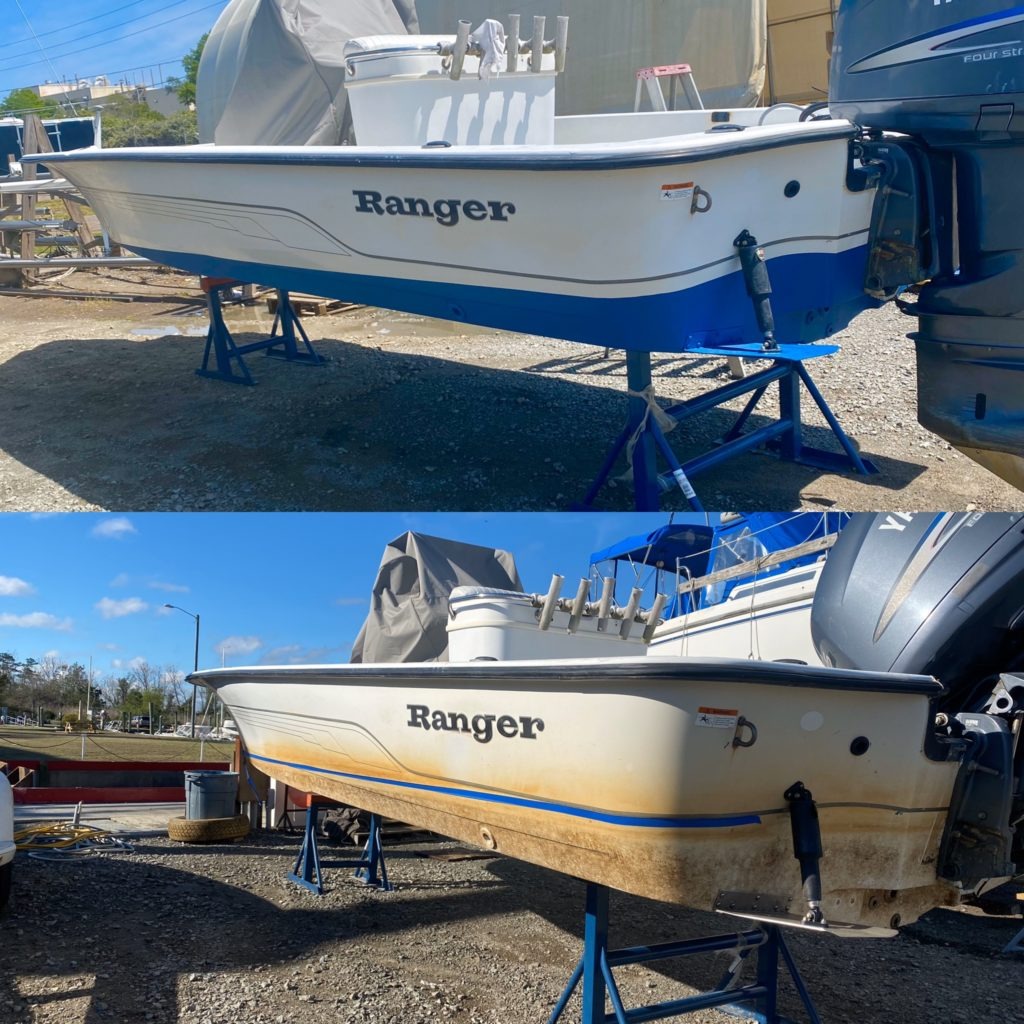
Marine Growth Affects Much More Than Appearance
Loss of speed
Increased fuel consumption
Cavitation
Vibration
Overheating
Zinc anode decay
Running gear damage
Our Recommendation: Have a diver check the bottom monthly, and if growth is light, you can stretch the interval to every 2 months.
Need Help With Yacht Maintenance? We’ve Got You Covered.
If you’d like Swift Marine to handle your routine maintenance, monthly washdowns, detailing, or underwater hull cleaning, just contact us with your boat name and location—we’ll take care of the rest.
Safe boating, The Swift Marine Yacht Management Team Charleston, SC • South Florida